By • July 28, 2026
community health intervention workshop
Community Health Interventions Workshops: Building Stronger, Healthier Communities
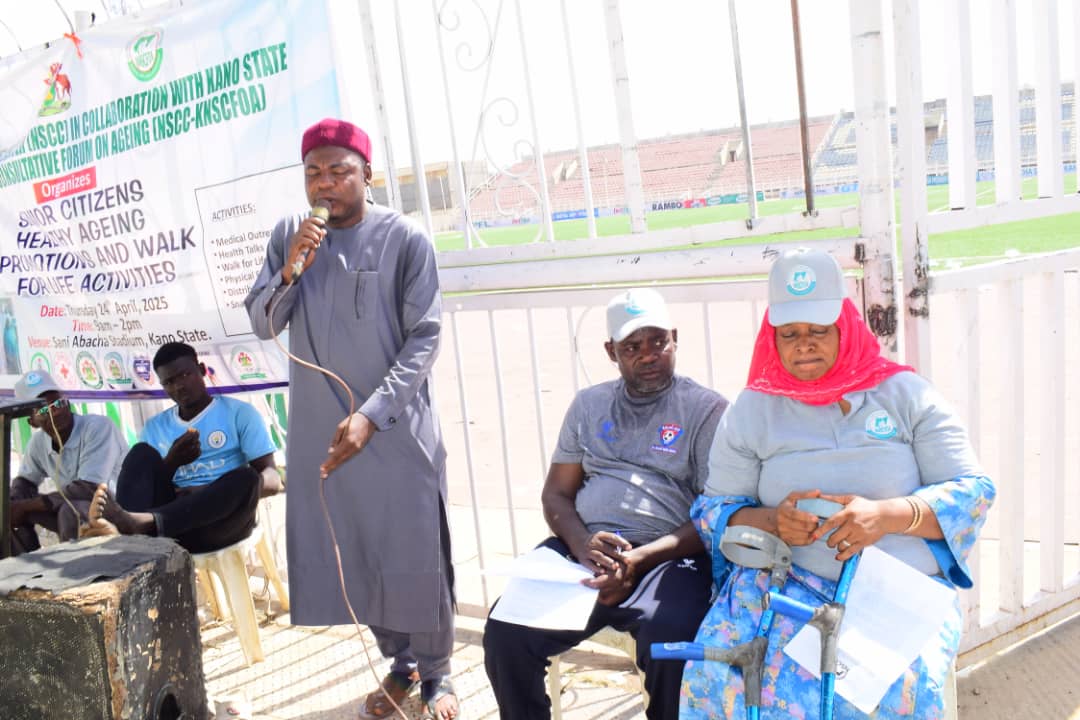
Community health interventions workshops play a vital role in empowering local populations to improve well-being, prevent disease, and address health disparities. These interactive sessions bring together community members, health workers, educators, and practitioners to share knowledge, build practical skills, and develop strategies tailored to local needs.
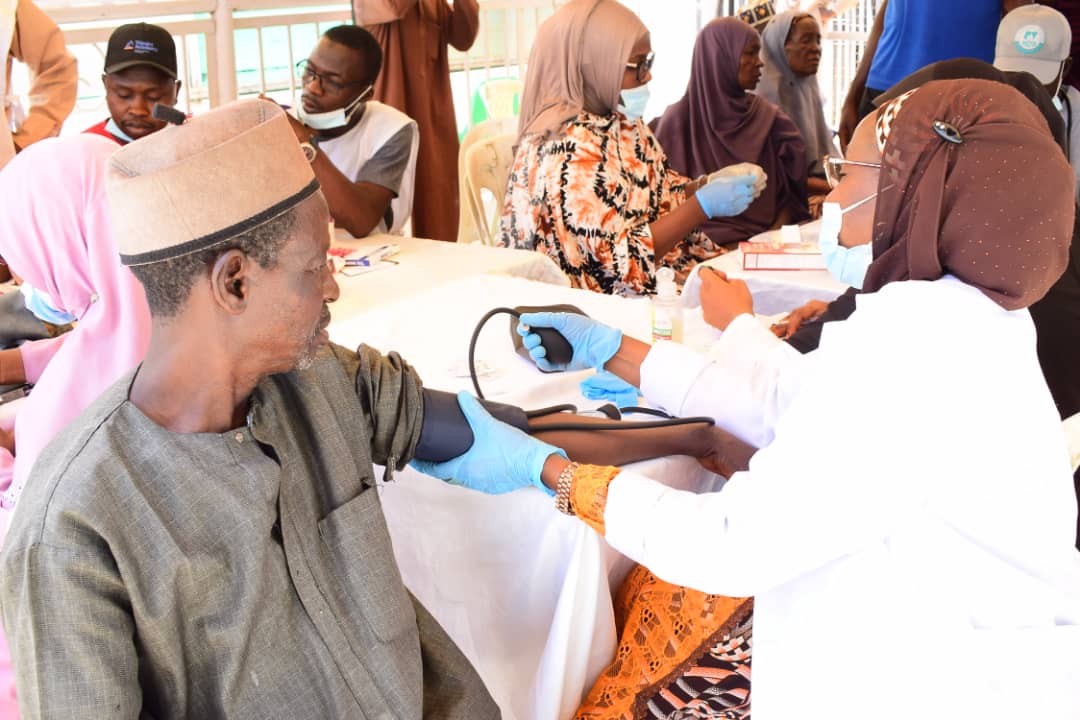
Unlike traditional top-down public health campaigns, workshops emphasize participation and evidence-based approaches. Participants learn to assess community assets and challenges, select proven interventions, adapt them to cultural contexts, and evaluate outcomes. Common topics include chronic disease prevention (such as diabetes and hypertension management), nutrition and healthy cooking on limited budgets, mental health awareness, physical activity promotion, tobacco cessation, and environmental health risks.
Successful workshops often follow structured curricula. For example, programs like “Putting Public Health Evidence in Action” guide planners through community engagement, goal-setting, selecting effective interventions, adaptation, implementation, and evaluation. Others focus on skill-building, such as peer-led education sessions on wellness topics or hands-on cooking classes that demonstrate affordable, nutritious meals. Global events, including annual community health workshops, connect practitioners worldwide to exchange ideas on planetary health, climate justice, and local impact.
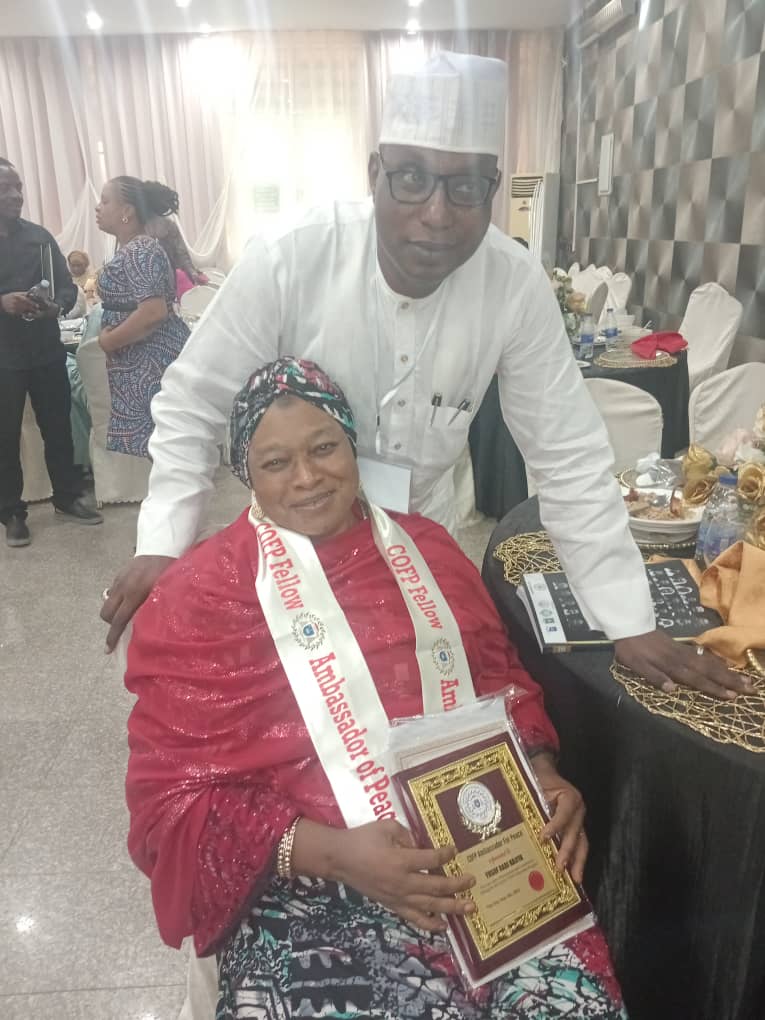
Key benefits include increased health literacy, stronger social networks, and sustainable behavior change. When community health workers or ambassadors facilitate sessions, trust grows and barriers to care decrease. Workshops also foster collaboration across sectors—linking clinics, schools, local governments, and residents—to create lasting systems improvements.
To maximize impact, effective workshops prioritize accessibility (offered in multiple languages, online or in-person), cultural relevance, and follow-up support. Participants leave with actionable tools, from screening techniques to logic models for program planning, enabling them to drive change in their own neighborhoods.
In an era of complex health challenges, community health interventions workshops remain a practical, people-centered approach. By equipping communities with knowledge and skills, they help transform individual awareness into collective action for healthier lives.
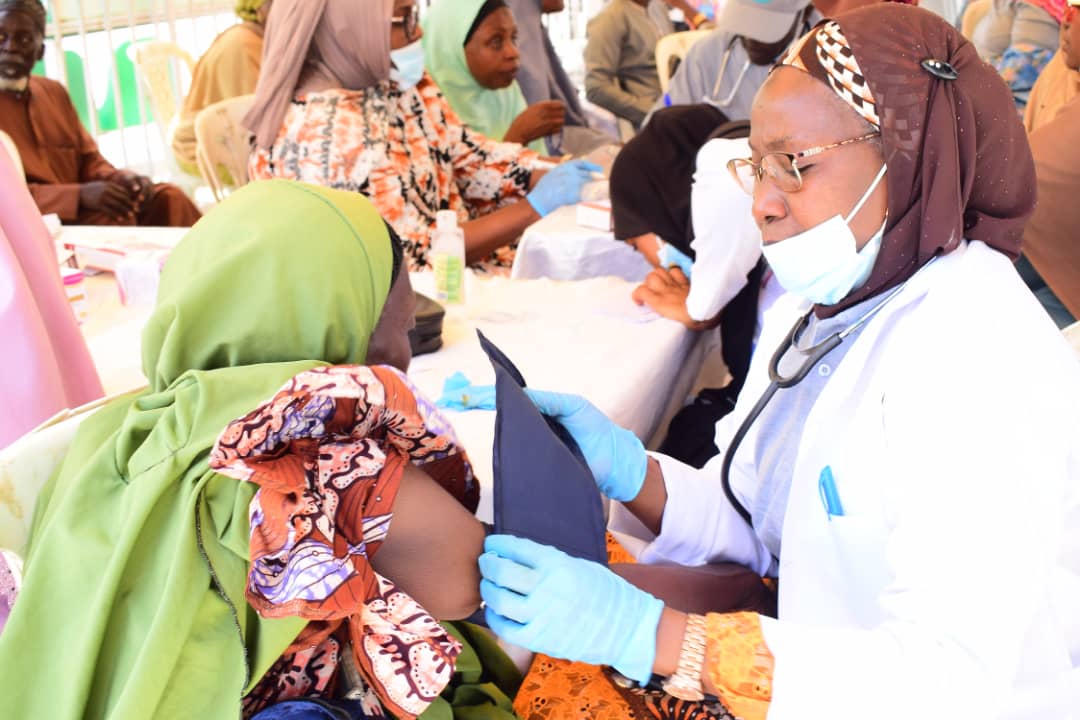 Health care